
Washington DC school trips offer a rare mix: world-changing political history, incredible museums, and immersive experiences that go way beyond the classroom. From the steps of the Lincoln Memorial to hands-on STEM exhibits and global culture in Chinatown, every corner of the city has something to teach.
If you’re a UK teacher planning a school trip to Washington DC, this guide groups the best things to do by subject, making curriculum links clear, planning easy, and your itinerary educational and fun.
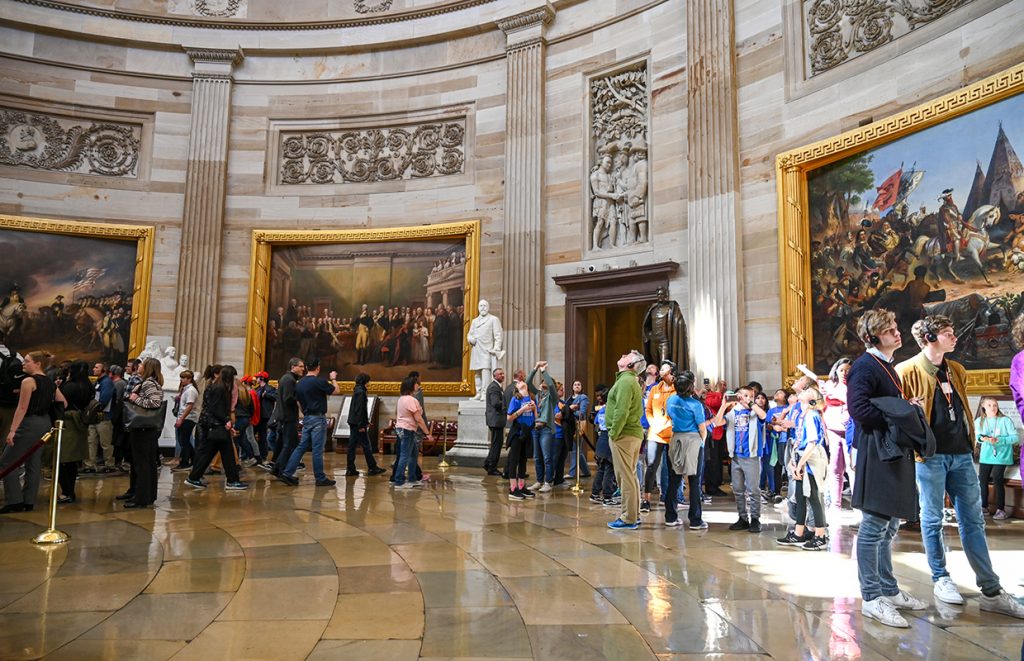
A guided tour of the Capitol gives students an insider view of how American laws are made. You’ll walk through the Rotunda and National Statuary Hall, and depending on the schedule, even sit in on congressional debates. Ideal for comparing U.S. federalism with the UK’s parliamentary system—particularly for GCSE and A-Level Politics.
This majestic building isn’t just symbolic. A visit here helps students understand the role of judicial review and civil liberties. Use it to explore debates around constitutional law, rights, and justice—particularly useful for Politics and Citizenship lessons.
Seeing the U.S. Constitution, Declaration of Independence, and Bill of Rights in person makes history real. It’s a great foundation for analysing primary sources and thinking critically about the development of democratic systems.
It looks like a palace, but it’s one of the most forward-thinking institutions in the country. With over 170 million items and stunning architecture, it’s a brilliant stop for students studying politics, culture, or even literature.
Arguably the most famous address in America, the White House offers an unmatched window into the U.S. executive branch. While public tours must be requested well in advance through your embassy, even viewing it from outside gives students a tangible connection to lessons on political leadership, media, and decision-making at the highest level. Use it to compare presidential powers with those of a UK prime minister, or to spark discussions on symbolism in architecture and public perception. Groups that secure an interior tour can explore key rooms, learn about historic moments that shaped the nation, and see where policy meets personality.
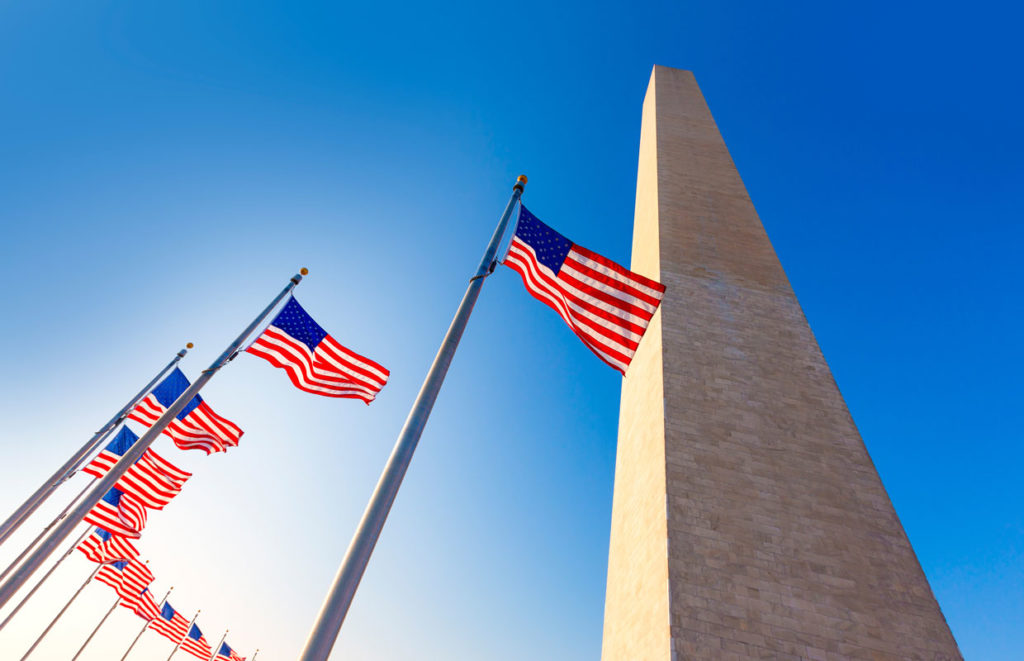
Towering over the National Mall, the Washington Monument is an instantly recognisable symbol of U.S. history and leadership. A visit here offers more than just great photos—students can explore how monuments reflect national identity, collective memory, and civic values. For those with timed tickets, a trip to the top provides panoramic views of the city, perfect for Geography lessons on urban planning and land use. History and Politics students can link its construction and design to early U.S. nation-building, symbolism, and the legacy of George Washington himself.
“Highly knowledgeable, thoughtful with effective service, Kipling made the process of organising a trip to Washington DC very manageable.” – Epsom College
Set on the Tidal Basin, this powerful monument invites students to reflect on justice, equality, and protest. It’s ideal for KS4/5 students studying American civil rights, citizenship, or PSHE topics on social justice.
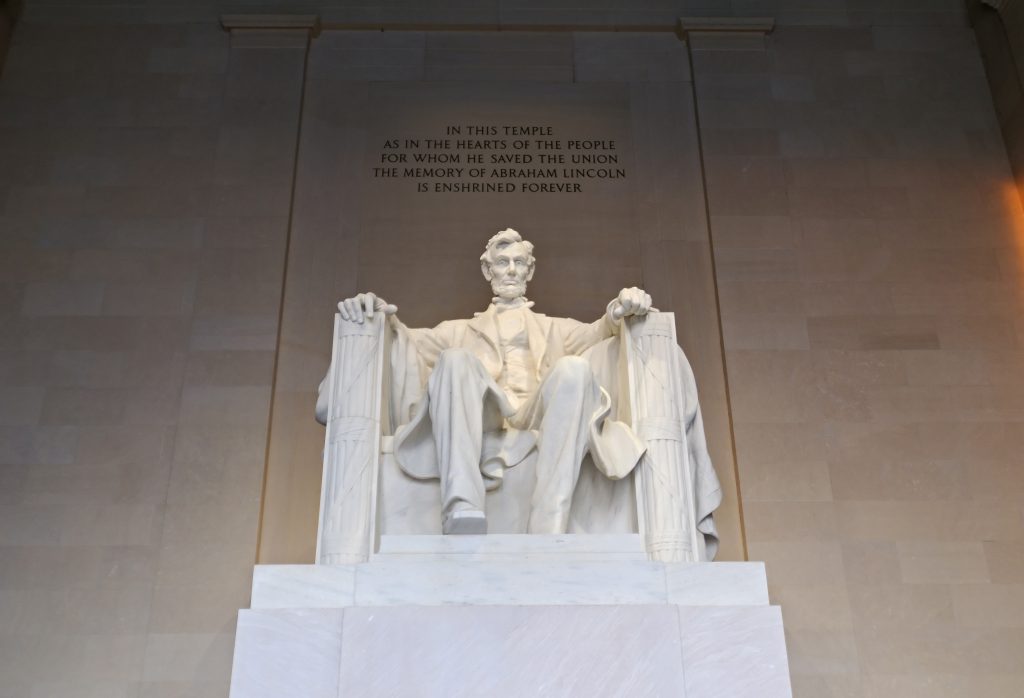
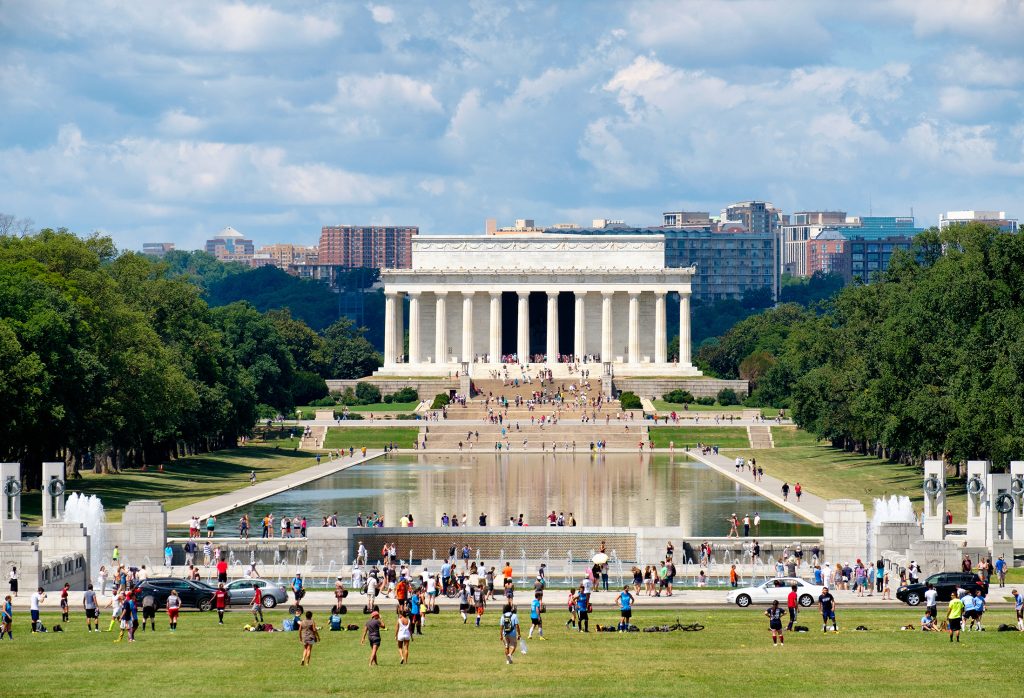
An iconic stop on every Washington DC school trip. From Lincoln’s legacy to MLK’s “I Have a Dream” speech, this is where historical narratives and values collide—perfect for cross-subject learning.
This is more than a museum—it’s a journey through resilience, culture, and the fight for equality. Link it to history, PSHE, literature, or even art. Expect strong emotional impact and rich learning opportunities.
Much more than a green space, the Mall is a masterclass in urban design and civic planning. It’s an excellent human geography case study—looking at land use, symbolic architecture, and how public spaces influence identity.
Walking past embassies or arranging a visit gives students a global context for diplomacy, international relations, and foreign policy. Ideal for A-Level Politics and Geography students learning about international organisations.
Some groups arrange educational briefings here or meet with partner NGOs. Use this to explore global citizenship, sustainable development, and international law.
Split into classical and modern wings, this free museum offers guided tours for student groups. Great for KS4/5 Art students or to support wider cultural literacy.
Modern art that challenges, provokes, and sometimes confuses—perfect for sparking debate and encouraging creative responses in GCSE or A-Level Art and Design.
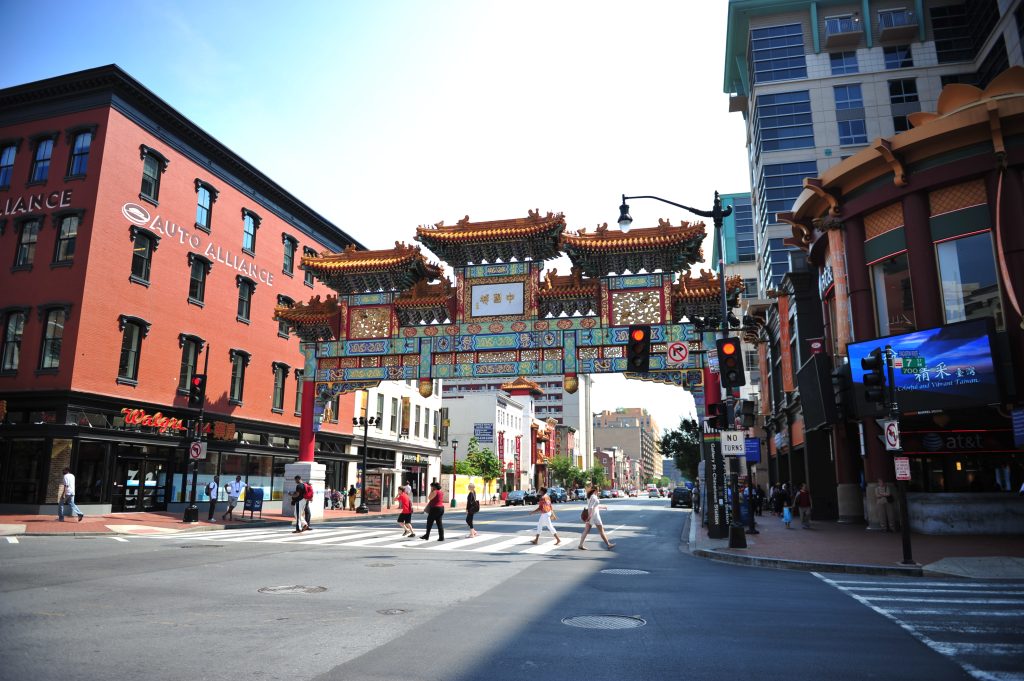
Washington’s small but vibrant Chinatown sits between the Capitol and Gallery Place. A teacher-led walk introduces students to immigration history, Asian-American identity, and urban regeneration. You can grab dinner here, too—plenty of budget-friendly group options.
From the Wright Brothers to the Mars Rover, this Smithsonian favourite is packed with interactive exhibits. It covers flight, space exploration, and physics—all directly linked to KS3/4 Science and A-Level Physics.
Dinosaurs, volcanoes, oceanography, climate change—it’s all here. This museum offers countless links to Geography and Science, especially for students studying ecosystems, geology, or environmental change.
Yes, it’s fun—but also educational. Students learn about intelligence gathering, ethics in surveillance, and Cold War politics. It’s brilliant for History and Citizenship students, and group visits come with age-appropriate options.

This black granite wall engraved with 58,000+ names gives students a powerful sense of loss and legacy. Ideal for post-WWII history, memorial culture, and PSHE discussions on remembrance.
Set near the Lincoln Memorial, this striking monument features 19 stainless steel soldier statues, a Wall of Remembrance, and etched images of those who served. It powerfully conveys the hardships of the Korean War, often called “the Forgotten War.” For students, it’s a way to explore Cold War history, U.S. military involvement abroad, and the human cost of conflict. It also sparks cross-curricular links to citizenship and remembrance, encouraging reflection on how societies choose to remember different wars.
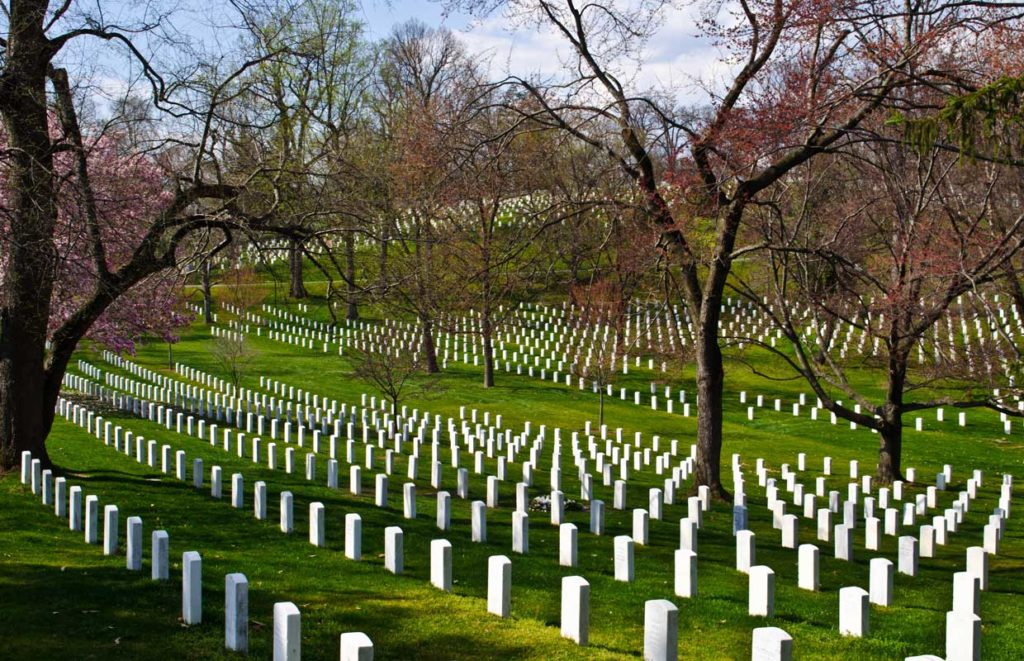
Cross the river to visit the Tomb of the Unknown Soldier and JFK’s grave. It’s an evocative way to explore themes of service, sacrifice, and national identity. Great for linking British and American traditions of commemoration.
Let’s be honest… school trips need some down time. This arcade/restaurant hybrid is a hit with students. Located just outside DC (in Silver Spring or near Capitol Heights), it’s ideal for a relaxed evening. Pre-book group meals and give students free time in the arcade as a reward after a heavy museum day.
If you’re visiting between April and September, catching a baseball game is an unforgettable cultural experience. It’s also a chance to explore American identity, sports culture, and group dynamics in a fun setting.
If your visit falls in the colder months, this outdoor rink adds seasonal charm to your itinerary. Book in advance and combine it with a museum visit next door.
In warmer months, you can rent paddle boats near the Jefferson Memorial. A light-hearted way to break up the walking and enjoy DC’s landscape.
Washington DC school trips don’t just tick boxes—they spark conversations. Whether your focus is politics, civil rights, science, or global culture, this is a destination where students learn by seeing, doing, and feeling. And with a few fun stops like Dave & Buster’s or Chinatown thrown in, they’ll also come home smiling.
Get in touch with Kipling Tours today to start planning your bespoke Washington DC school trip. We’ll help you shape the perfect balance of curriculum-linked learning and unforgettable experiences—fully supported every step of the way.

Kipling Tours help teachers plan unforgettable, stress-free trips that take learning beyond the classroom.

October 20, 2025 by Andy Broom
Take your students somewhere truly extraordinary with fully supported school trip along the road less travelled.

October 20, 2025 by Andy Broom
Residential visits for schools are packed with learning, adventure and lifelong memories. With the right planning and packing, your students will be ready to make the most of every moment.

July 16, 2025 by Andy Broom
Plan ahead with our tipping etiquette guide for UK school trips abroad. Practical tipping guidelines for teachers by country and group size.
Our tours are financially protected by our ATOL Licence and your payments are held in our trust account with the Travel Trust Association
If you are planning a tour with us, we can arrange an inspection trip so you are able to familiarise yourself with the destination and conduct any risk assessments your school may require.
Many tours travel with a full-time guide who will look after your group in the destination, and you will always be able to contact our UK office which is manned 24/7.