
There are some landscapes you just can’t teach from a textbook. Iceland is one of them.
With its volcanoes, glaciers, geysers and geothermal energy, Iceland is a live-action Geography lesson waiting to happen. Whether you’re teaching KS4 or A-level, this remarkable country offers endless opportunities to bring the curriculum to life and create those lightbulb moments pupils remember for years.
In this post, we explore the very best places to visit on a geography school trip to Iceland. We’ll group attractions into easy-to-teach themes (like waterfalls, volcanoes and lagoons), link each one to key topics, and offer practical tips along the way.
Whether you’re covering tectonics, glaciation, climate, renewable energy or the interaction between humans and landscapes, Iceland ticks multiple boxes across the national curriculum.
A 4- or 5-day trip easily supports:
Pupils don’t just see the features… they feel them. That moment a glacier guide carves into 800-year-old ice or a geyser erupts right on cue stays with them in a way no diagram in a textbook can match.
The Golden Circle is often the first stop on any geography school trip to Iceland, and for good reason. In a single day, your pupils can stand between tectonic plates, watch geysers erupt, feel the spray of a glacial waterfall, and stare into a volcanic crater. Each stop is packed with real-world connections to the curriculum, and the short travel times make it ideal for easing into the trip.
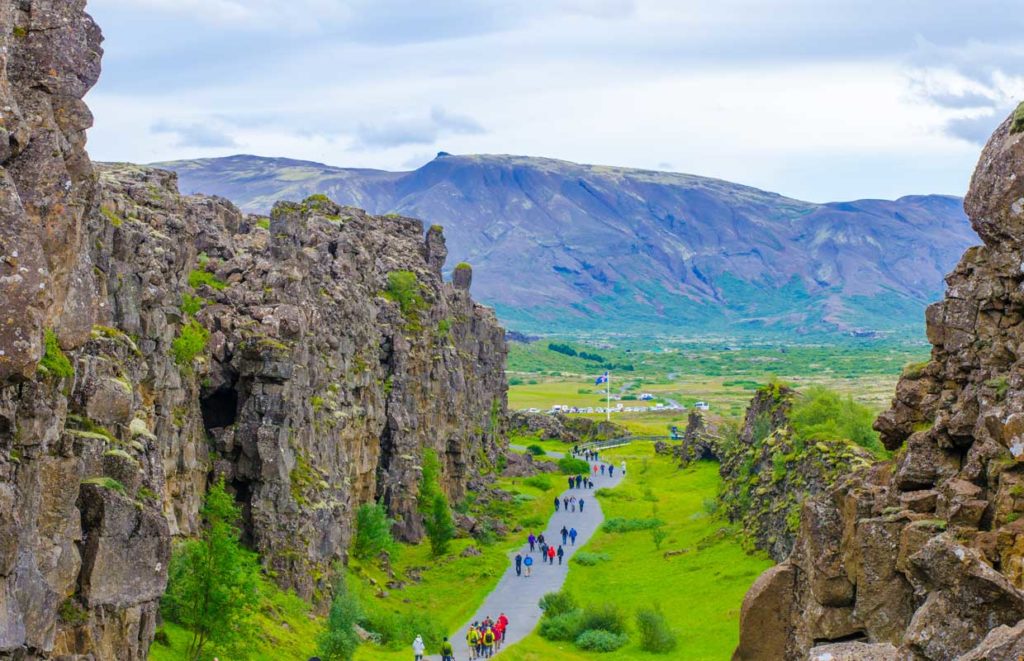
Thingvellir is where Iceland’s dramatic geology and human history meet. Students will have the opportunity to physically walk between the North American and Eurasian tectonic plates at the Almannagja fault, bringing textbook diagrams of plate boundaries vividly to life. The site is one of the few places on Earth where a mid-ocean ridge is visible on land, making it a must-see for teaching constructive plate margins, continental drift, and rifting.
It’s also an important site for historical and cultural geography. Iceland’s first parliament, the Alþingi, was established here in 930 AD, making it one of the world’s oldest democratic institutions. This dual significance (physical and human) makes Þingvellir especially engaging for cross-curricular learning.
This is where the term “geyser” originated, and it doesn’t disappoint. While the Great Geysir is largely dormant, nearby Strokkur erupts every 5–10 minutes, sending a plume of boiling water 20–30 metres into the air. It’s a brilliant visual for hydrothermal activity, heat exchange in the Earth’s crust, and surface water interactions.
Students can observe bubbling mud pools, steam vents, and the smell of sulphur drifting across the landscape—ideal for sensory, memory-building learning.
Often called the “Golden Falls,” Gullfoss is a powerful, tiered glacial waterfall on the Hvita River. Water cascades over two dramatic drops into a narrow canyon, showcasing hydraulic action, vertical erosion, and the force of meltwater from nearby Langjokull glacier.
It’s also a great opportunity to discuss hydroelectric power and the debates around environmental protection versus energy production. Gullfoss was nearly turned into a hydroelectric plant in the early 20th century, sparking one of Iceland’s first environmental protests.

Kipling Tours help teachers plan unforgettable, stress-free trips that bring real-world relevance to classroom topics.
Formed roughly 3,000 years ago, Kerid is a striking volcanic caldera filled with turquoise water and surrounded by red volcanic rock. It’s smaller and more accessible than some other volcanic sites in Iceland, making it perfect for a quick but impactful stop.
The crater’s shape offers clear examples of crater morphology, and its vibrant colours allow students to identify mineral deposits and discuss volcanic formation. It’s also an ideal spot to reflect on how volcanic landscapes evolve and interact with water.
“We have just returned from a fantastic trip to Iceland with Kipling Tours. The itinerary provided a busy schedule of fantastic experiences that linked to the Geography curriculum. Kipling offered brilliant support in administering and organising the trip. Charlie and her colleagues were always available to provide support when required and ensured the trip ran smoothly from start to finish. I would strongly recommend using Kipling Tours and would definitely use them again.” – New Hall School
You don’t need to be a geographer to find Iceland’s waterfalls impressive. But for students learning about erosion, river processes, and glacial meltwater, they’re absolute gold. These sites are not just scenic stops – they’re living case studies that let pupils see what they’ve learned about fluvial landscapes in action.
We recommend visiting at least two (or all three for the brave) in a single day as part of your journey along the south coast.
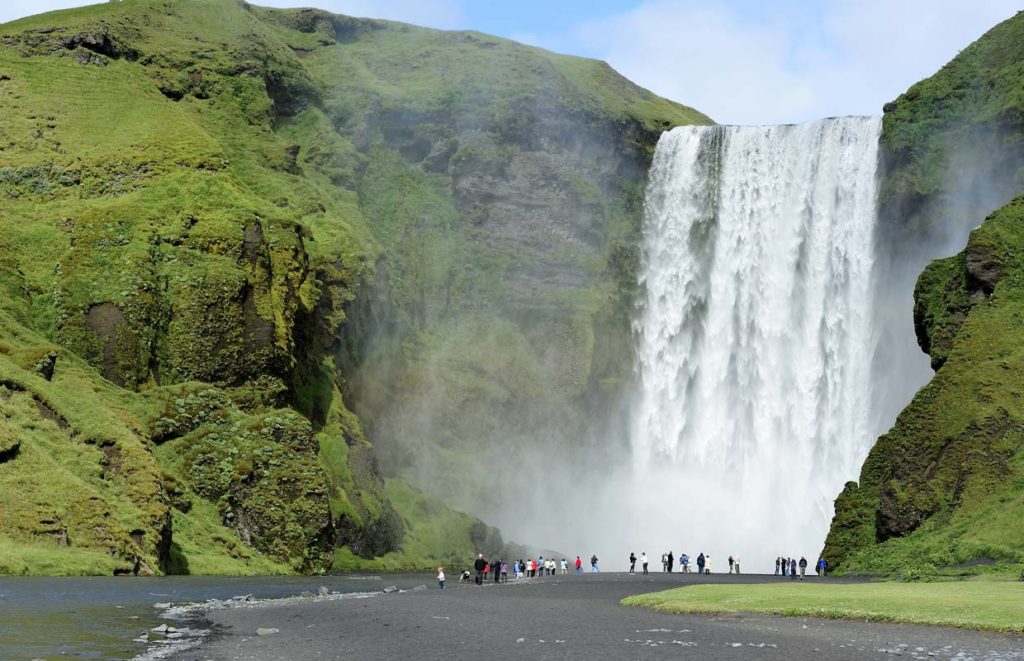
With a vertical drop of 60 metres and a consistent volume of water from the Skoga River, Skogafoss is a brilliant site for discussing vertical erosion, waterfall formation, and post-glacial river behaviour. It’s also textbook-perfect for showing how hard rock over soft rock creates a step in the riverbed.
From the base, you’ll see the sheer power of the falls (and probably get a little soaked), but there’s also a staircase leading to the top, ideal for observing the river’s long profile and interlocking spurs from above.
One of the most photographed waterfalls in Iceland, and for good reason. You can walk behind it. This makes Seljalandsfoss not only visually impressive but also an unusually immersive learning opportunity.
It’s fed by glacial meltwater from the Eyjafjallajokull volcano, giving you the perfect excuse to talk about the link between glaciation, volcanoes and hydrological systems. It’s worth taking time to explore the surrounding cliffs, which reveal sediment layers and showcase differential erosion.
Often missed by larger tour groups, Gljufrabui is just a short walk from Seljalandsfoss but feels like another world. Hidden inside a mossy canyon, it’s a fantastic example of stream channel erosion, fluvial microclimates, and the sculpting of rock by persistent water flow.
Only a few students at a time can enter the canyon to view it, so it’s a great opportunity for group rotation activities like sketching, field notes, or photography with geological annotation.
Kipling Tours handle the logistics so you can focus on the magic of learning in Iceland’s incredible landscapes.
“Our whole group were exhilarated by the most amazing and fantastic trip. Certainly, with good judgement from years of experience, I would say this is the best trip that I have ever had the privilege of running, in combination with any tour company, although that is exclusively with Kipling since you formed. There were truly no mediocre elements to this tour – Just an amazing experience!” – Gravesend Grammar School
A dip in a hot spring might feel like pure luxury. But in Iceland, even leisure comes with a geography lesson built in.
Iceland’s geothermal lagoons are more than just relaxing stops on your itinerary. They’re case studies in sustainable energy use, volcanic heat transfer, and tourism geography. Visiting one (or more) can help your pupils understand how tectonic activity powers infrastructure… and how Iceland harnesses its natural resources for energy, agriculture and economic benefit.
Each lagoon offers something slightly different. Here are three popular options, depending on your route, group size and schedule:
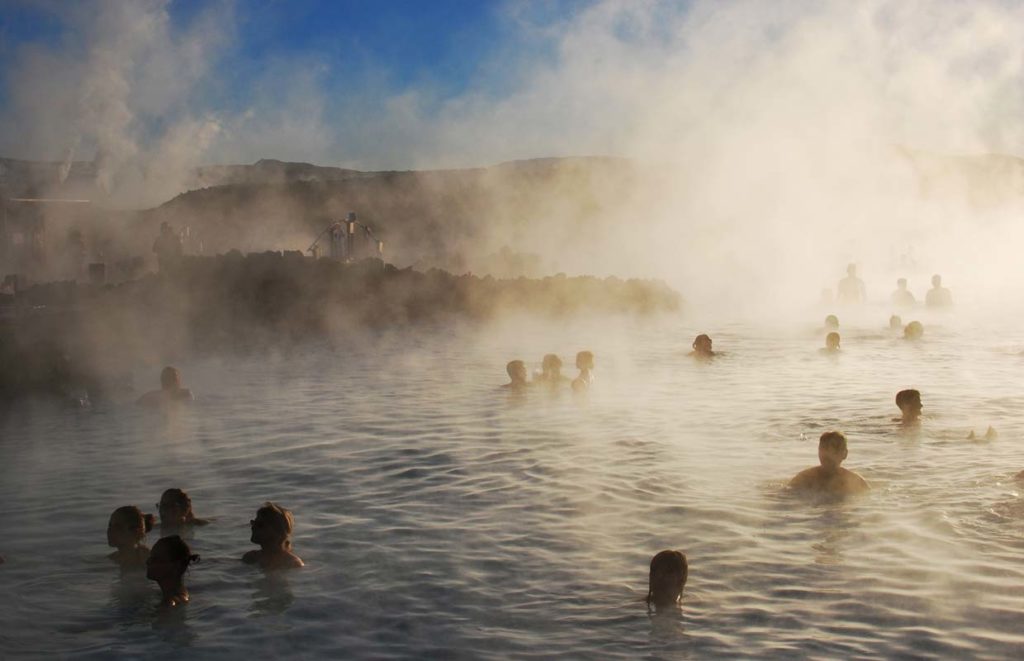
Probably Iceland’s most famous attraction, the Blue Lagoon is a man-made spa set in a lava field near the Reykjanes Peninsula. Its milky-blue water comes from the nearby Svartsengi geothermal power plant, where superheated groundwater is used for energy before being routed to the lagoon.
This makes the Blue Lagoon ideal for linking tectonic activity to human geography topics like energy production, tourism economies, and resource management. It’s also one of the clearest visual examples of how Iceland integrates renewables into daily life.
Located in Fludir, this is Iceland’s oldest natural pool. Less flashy than the Blue Lagoon, but rich in geothermal charm and much quieter. The Secret Lagoon is fed by natural hot springs with small geysers erupting nearby while soaking in warm mineral water.
It’s a great place to wind down after fieldwork and to quietly reflect on geothermal processes, hot spring formation, and sustainable tourism at a local level.
Just outside Reykjavik, the Sky Lagoon combines Icelandic tradition with modern design. The ocean-facing infinity pool uses geothermal water and incorporates local architectural styles (like turf walls), which makes it a nice touchpoint for urban planning, cultural geography and sustainable construction.
For groups staying in the capital, it’s a convenient end-of-day activity and a good opportunity to discuss how natural features are incorporated into urban development and wellbeing.
“Fabulous tour that certainly brought the awe and wonder of the natural world to the fore. Our pupils were amazed with Iceland and the huge range of geographical features it has. Indeed the word they use to describe their adventure is EPIC when telling others about it! Kipling Tours provided a world-class itinerary that meant we were very much able to complete our ‘bucket-list’ of Iceland. Thank you!” – Hill House School
Often overlooked in favour of the south coast, the Reykjanes Peninsula deserves a prime place on any geography school trip. It’s home to active volcanoes, steam vents, fumaroles, and the dramatic meeting point of two tectonic plates, making it one of the best places in Iceland to teach plate tectonics, geothermal activity, and landscape evolution.
Because it’s so close to Keflavik Airport, it also makes for a convenient first or last stop on your itinerary.
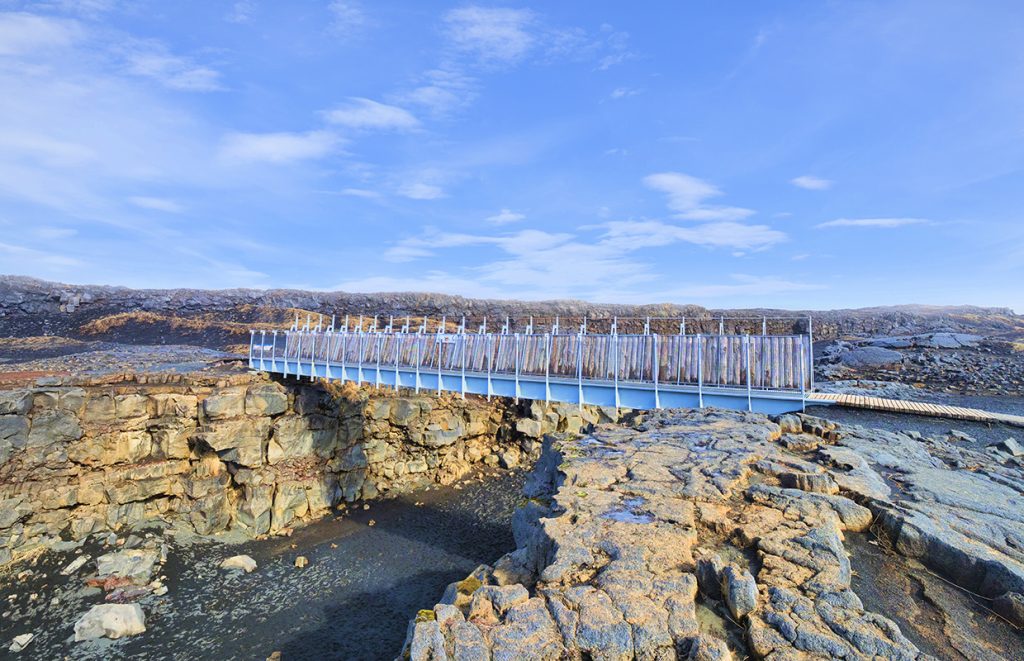
This small footbridge spans a fissure between the North American and Eurasian tectonic plates, allowing pupils to literally walk between two continents. It’s one of the most tangible ways to demonstrate constructive plate margins and the role of plate separation in landscape formation.
The most active geothermal field on the Reykjanes Peninsula, Gunnuhver is a steaming, sulphurous site full of boiling mud pots and noisy fumaroles. The main vent regularly blasts clouds of steam up to 20 metres high, perfect for illustrating hydrothermal systems and the release of geothermal gases.
Gunnuhver is also linked to the nearby Reykjanes Power Station, giving you a chance to discuss geothermal energy production and resource exploitation in volcanic regions.
A riot of colour and steam, Krysuvik is one of the most visually striking geothermal zones in Iceland. Here, you’ll have the opportunity to walk on boardwalks over boiling mud pools, fumaroles, and mineral-stained rocks in vivid shades of yellow, red and green.
It’s ideal for teaching:
Unlike more developed sites like the Blue Lagoon, Krysuvik feels raw and untouched, offering contrast between commercial and natural geothermal spaces.
Kipling Tours are school travel specialists who support teachers every step of the way.
One of Iceland’s most talked-about natural events in recent years, Fagradalsfjall erupted spectacularly in 2021, 2022, and again in 2023. While it’s dormant as of mid-2025, you can still walk across its fresh lava fields, observe crater morphology, and see how the land has changed within a few short years.
This site offers a fantastic real-time case study for volcanic hazards, lava flow, primary vs secondary impacts, and even human responses to volcanic events.
“Kipling Tours provided us with an affordable itinerary which still covered all of the absolute essentials for an Iceland visit for GCSE students.” – Haileybury School
From shimmering ice fields to hissing geothermal vents, Iceland offers pupils the rare opportunity to witness two powerful forces. Glacial activity and geothermal energy in the same landscape. For geographers, it’s a front-row seat to both the impacts of climate change and innovative, low-carbon solutions.
This section links directly to GCSE and A-level topics including glaciation, cold environments, energy and sustainability, and climate systems.
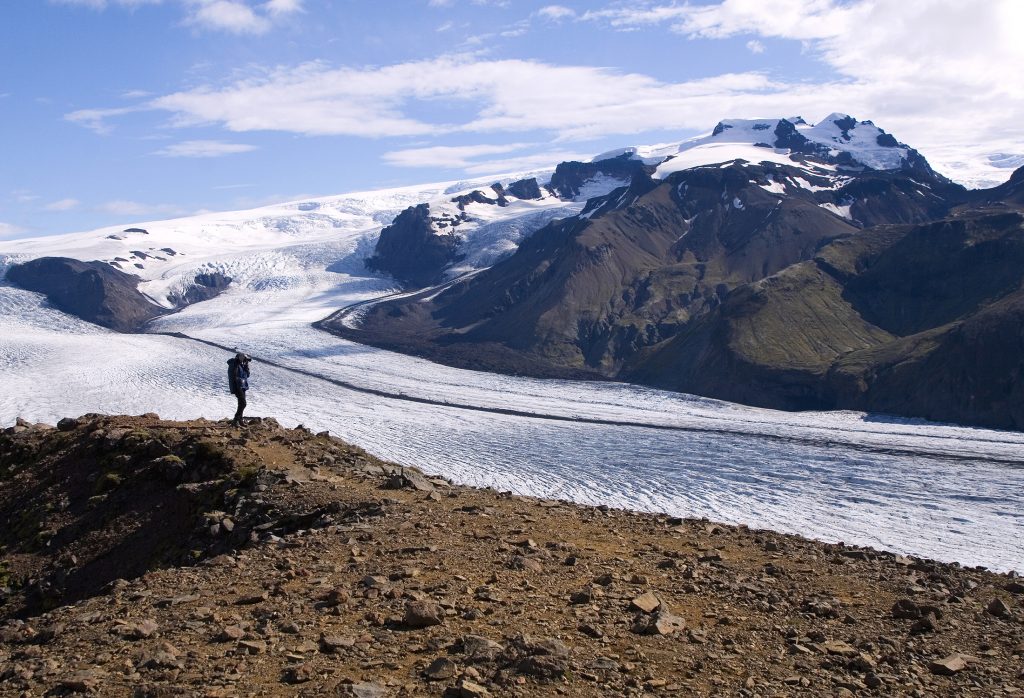
This outlet glacier, part of the larger Myrdalsjokull ice cap, is an accessible and dramatic site for hands-on learning. A guided glacier hike allows students to safely explore the ice with crampons and helmets while absorbing commentary on:
Your students will see first-hand the shrinking ice front, layers of volcanic ash embedded in the ice, and the meltwater streams carving their way through the moraine, turning theory into memory.
As one of the largest geothermal power plants in the world, Hellisheidi is a standout destination for teaching about renewable energy in tectonically active zones. The site uses superheated water from deep below the Earth’s crust to generate electricity and heat for Reykjavik.
A visit here includes access to the interactive Geothermal Energy Exhibition, covering:
The power station also gives you the chance to learn about the environmental benefits and challenges of building energy infrastructure in volcanically active landscapes.
“6th time that Allestree Woodlands School Geography department have visited Iceland – and this was by far the best experience we have ever had. Itinerary, accommodation. guide and pre visit support from Kipling made for an outstanding experience.” – Allestree Woodlands School
Iceland’s south coast isn’t just visually striking, it’s an ideal case study for both physical geography and human-environment interaction. From jet-black beaches to sea cliffs, lava flows to living heritage, this region blends coastal geomorphology with cultural geography, giving pupils a fuller understanding of Iceland beyond glaciers and geysers.
Whether you’re focusing on erosional landforms, marine weathering, or sustainable tourism, this stretch of coastline offers rich, accessible fieldwork opportunities.
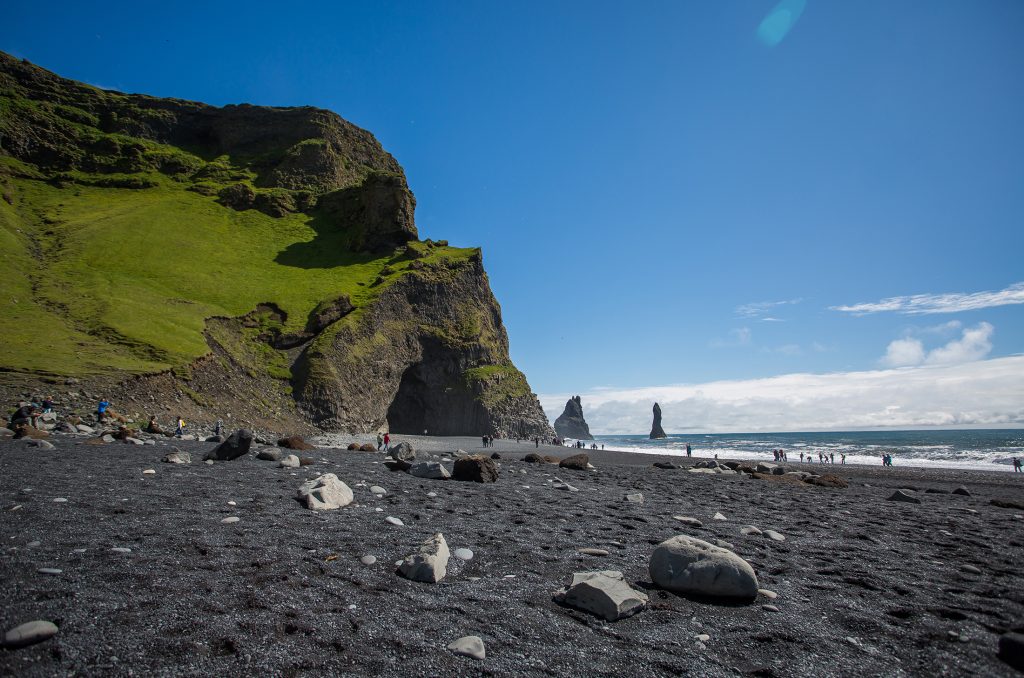
Famous for its haunting black sands and dramatic basalt columns, Reynisfjara is a showpiece for teaching:
The beach was formed by cooled lava from historic eruptions, ground down by the North Atlantic’s fierce wave action. The offshore Reynisdrangar sea stacks provide a perfect case study for coastal erosion.
Vik i Myrdal, Iceland’s southernmost village, sits between sea and volcano, making it an ideal stop for discussing hazards, tourism and adaptation. Just west of Vik lies Dyrholaey, a natural sea arch and promontory offering panoramic views of the coastline and puffin nesting sites (May–August).
How settlements manage risk from both coast and volcano
For a uniquely memorable lesson on volcanoes and eruption behaviour, the Lava Show in Vik is a must. It’s the only place in the world where you can watch real molten lava poured indoors – safely and dramatically replicating a volcanic eruption.
During the hour long show, you can:
It’s especially useful for reinforcing textbook material with a high-impact, sensory experience, ideal for visual learners.
Kipling Tours take care of the details so teachers can focus on the learning.
“I cannot speak highly enough of everyone at Kipling Tours. They are a key reason why our students had such an amazing time in Iceland. Both Patrick and Natalie were brilliant from the first day to the last. Every single question I had was answered promptly and in an informative way. Our school was in safe hands and we will be using them again for our future tours.” – Branston Community Academy
Reykjavik offers more than just a base for touring Iceland. It’s a hub for innovative science centres, sustainability case studies, and interactive exhibitions that align beautifully with geography, science, and cultural education.
Whether you’re filling an evening, dodging bad weather, or rounding out your itinerary with memorable moments, these stops add value without straying from your learning goals.
This immersive flight simulation takes pupils on a visual journey across the country’s volcanic plains, ice caps, coastlines and highlands… all from a seat that moves with the landscape.
Great for:
It’s not just a thrill ride. Accompanying videos introduce Iceland’s creation story and natural forces in a way that feels both cinematic and educational.
Located in a striking glass dome, Perlan offers cutting-edge exhibits on volcanoes, glaciers, and climate science. Its highlights include:
It’s ideal for rainy days or as a wrap-up session that consolidates the physical geography explored on tour. Displays are well-pitched for KS4 and KS5 pupils, with plenty of interactive elements.
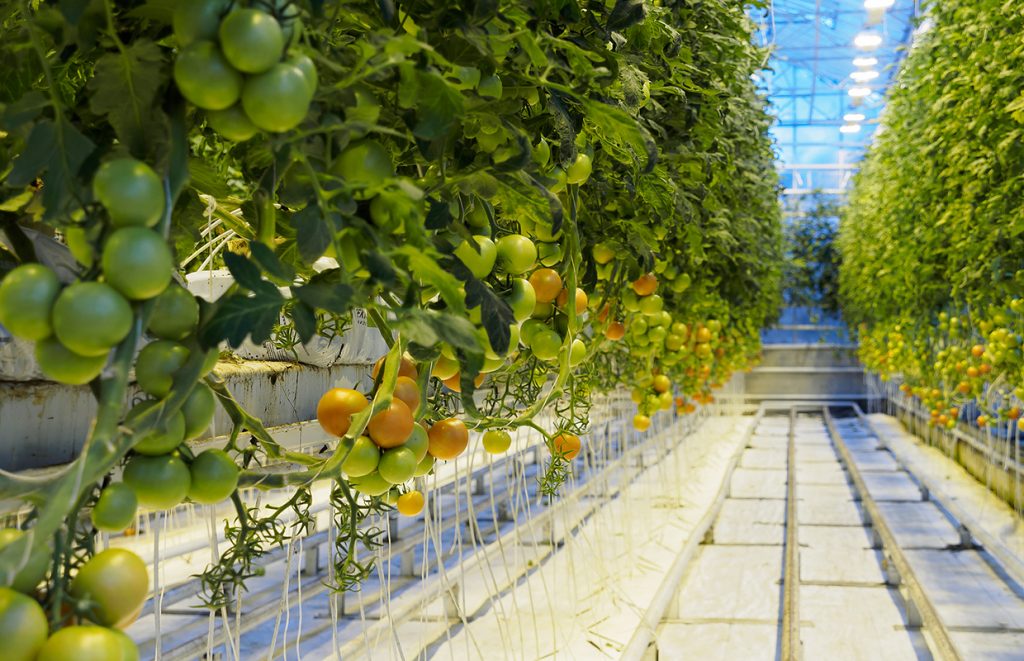
This working greenhouse shows how Iceland uses its abundant geothermal energy to grow food year-round, most notably tomatoes, herbs and cucumbers, in a subarctic climate.
Students learn about:
The greenhouse also runs short, engaging tours that are perfect for linking climate adaptation, renewable resources and human-environment interaction.
“I have been running geography fieldtrips for over 30 years and have been to a number of different destinations (including Iceland with different tour operators) but this year’s trip to Iceland was the first time I have used Kipling Tours. I was very impressed. As a Sixth Form College we are not able to plan trips more than a year in advance – and Kipling were really helpful in planning our itinerary and organising a cost effective tour. Nothing was too much trouble and they really did their best to give us an excellent experience. The communication was excellent – as was attention to detail. We will definitely use them again!” – Itchen Sixth Form College
A trip to Iceland isn’t complete without spending time in Reykjavik, the world’s northernmost capital. From basalt-inspired architecture to rainbow-painted streets and breathtaking Arctic skies, Reykjavik offers rich opportunities to explore urban geography, cultural identity, and even space science. It’s also a valuable case study for how small cities respond to global tourism and embrace sustainability.
These stops aren’t just photogenic. Each one has learning potential rooted in the curriculum.
Towering over the city skyline, Hallgrimskirkja is one of Iceland’s most recognisable landmarks. Its design is inspired by volcanic basalt columns, making it a striking example of architecture shaped by landscape.
Great for teaching:
Painted in support of LGBTQ+ rights, Rainbow Street (Skolavordustigur) has become a symbol of Reykjavik’s inclusive culture and a great example of urban branding. Combine it with a walk down Laugavegur, Reykjavik’s main shopping street, lined with local businesses, murals and examples of tourism-driven development.
During your fee time, pupils can explore:
Built after Iceland’s 2008 financial crisis, Harpa represents urban regeneration and resilience. Its glass facade reflects both the sea and sky and its honeycomb design is inspired by basalt formations.
This is a prime opportunity to investigate:
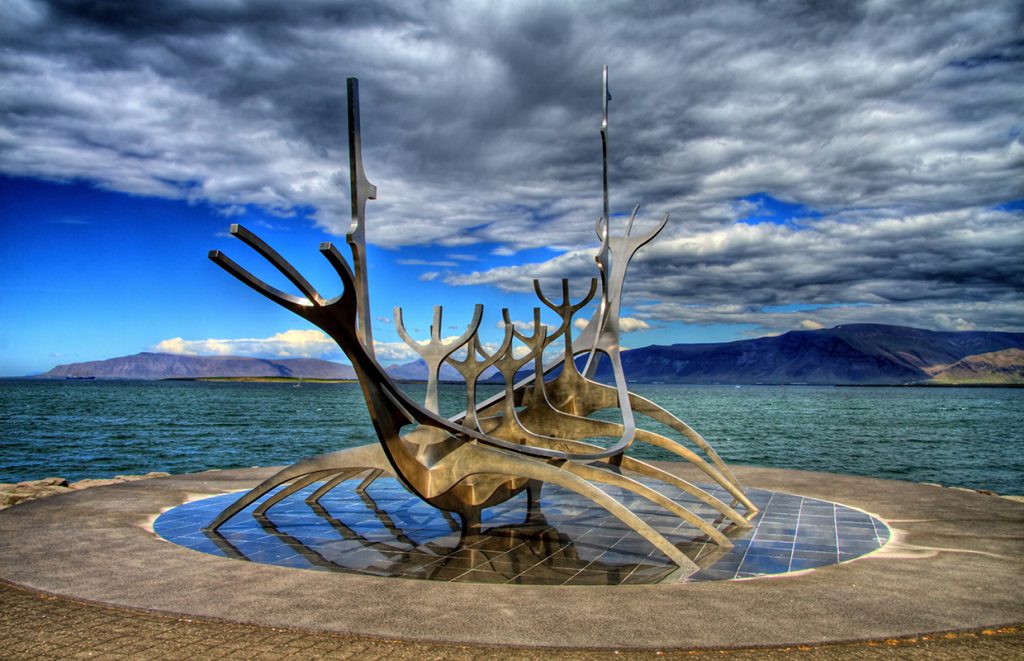
Facing Mount Esja, this elegant steel sculpture resembles a Viking ship, but it’s intended as a dreamboat and symbol of hope and freedom. While compact, it works well as a symbolic discussion point for:
From September to April, Iceland offers some of the world’s best chances of seeing the Aurora Borealis. Whether viewed from a countryside hotel or just outside Reykjavik, it’s a powerful way to connect geography and physics.
Teach pupils about:
“It was the first time the school has used Kipling Tours and we have been very impressed with all aspects of the organisation. The standard of the itinerary and the accommodation. Staff were particularly impressed with having their own bedrooms.
Our recent Iceland trip was amazing. The itinerary was personalised to our requirements and was so well planned by Kipling Tours. The students got to experience so many natural and human aspects of Iceland and even had a magical night of watch the Northern Lights. We had so many parents emailing afterwards to say thank you and to say what an amazing opportunity they had been given. The next set of geographers are ready to go in 2025.” – The King’s School
Kipling Tours help schools turn this breathtaking destination into a fully supported, curriculum-aligned adventure.
With so much to see and explore, it’s no surprise Iceland remains one of our most popular destinations for geography school trips. Whether you’re heading out for four or five days, we’ll help you build a bespoke itinerary that matches your curriculum goals and your pupils’ sense of adventure.
A typical 4-day geography tour includes the full Golden Circle (Thingvellir, Geysir, Gullfoss, Kerid), the south coast (Skogafoss, Seljalandsfoss, Reynisfjara), Solheimajokull glacier hike, and highlights of Reykjavik, such as Hallgrimskirkja and the FlyOver experience.
Choose a 5-day trip to Iceland if you’d like to go deeper, perhaps adding a visit to the Hellisheidi Geothermal Power Plant, the Fridheimar Greenhouse, or the Reykjanes Peninsula with its tectonic rift zones, lava fields and geothermal sites.
Every Kipling itinerary includes accommodation, transport, experienced guides, and 24/7 support, so you can focus on delivering exceptional learning experiences outside the classroom.
“Thoroughly impressed with our Iceland tour! Kipling were very helpful throughout leading to a smooth tour which was enjoyed by all. I felt confident embarking on the adventure which was a fantastic opportunity for pupils to experience such an exciting range of activities- boys as young as Year 6 took part in the glacier hike for example and were taught well and were guided safely. The links to our geography curriculum were showcased exactly as planned and we wouldn’t hesitate to use Kipling again for our next tour.” – Bickley Park School
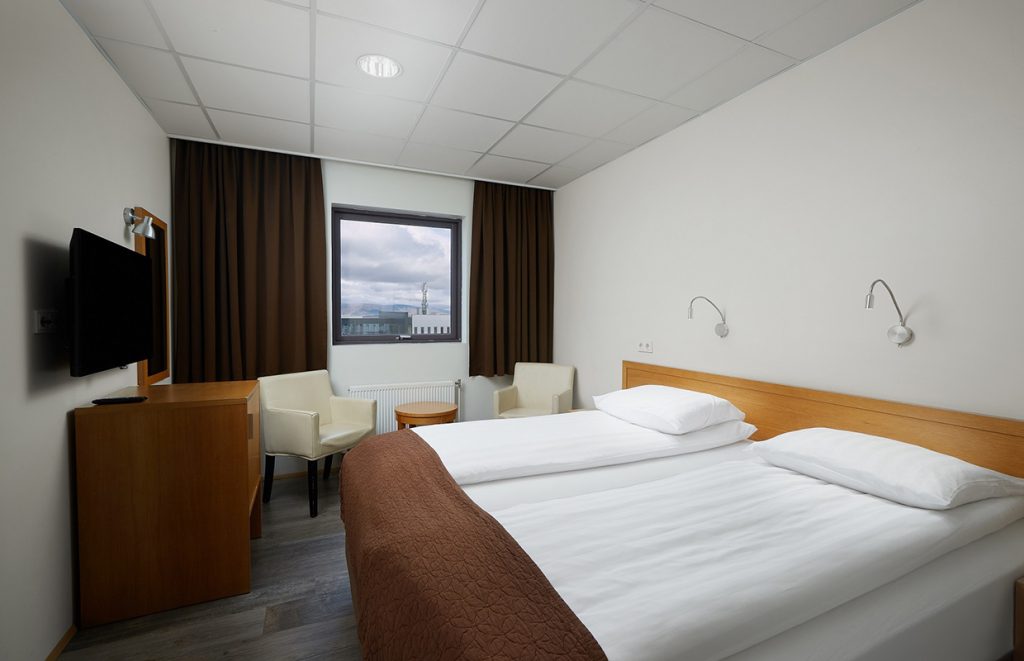
We hand-pick hotels that are experienced in hosting school groups and well-located for each day’s itinerary, so you spend more time learning and less time on the road.
You might stay at one of our trusted partner hotels, such as:
All hotels include private coach parking, buffet breakfasts, and free Wi-Fi, with most offering packed lunches and group dining options in the evening. Rooms are warm, clean and secure, with separate floors or wings often available for school groups.
“Kipling’s expertise made Iceland an unforgettable journey for the students. Their meticulous planning shone through, from selecting the best hotels to curating an exciting itinerary led by an incredible guide. They left nothing to chance, creating a seamless and extraordinary experience. I look forward to travelling with Kipling again.” – Wakefield Girls High School
Waterproof jacket and trousers, sturdy walking boots, gloves, base layers, and a European 2-pin adapter. Don’t forget a reusable water bottle. Most tap water in Iceland is glacially pure.
Direct routes available from London, Manchester, Edinburgh and most major UK airports to Keflavik International Airport, just 45 minutes from Reykjavik.
UK citizens need a valid passport with at least three months’ validity. No visa required for stays under 90 days.
Iceland ranks among the safest countries in the world. All Kipling Tours include 24/7 support, local guides, and help with the documentation you’ll need for your own school’s risk assessment procedures.
“Organised a super itinerary and were responsive to all requests we made. Made the planning of the trip seamless. Over the course of two trips we have done to Iceland with Kipling Tours we have well over 100 very happy pupils and sets of parents. Thank you!” – Hill House School
At Kipling Tours, we design curriculum-aligned school trips that bring geography to life – while making your job easier. Our Iceland itineraries are built with teachers in mind: educationally rich, logistically smooth, and backed by expert local knowledge and 24/7 support.
> Explore our Iceland Geography Trips
Or get in touch to start planning your next unforgettable field trip.
Kipling Tours help teachers plan unforgettable, stress-free trips that take learning beyond the classroom.

October 20, 2025 by Andy Broom
Take your students somewhere truly extraordinary with fully supported school trip along the road less travelled.

October 20, 2025 by Andy Broom
Residential visits for schools are packed with learning, adventure and lifelong memories. With the right planning and packing, your students will be ready to make the most of every moment.

September 11, 2025 by Andy Broom
Washington DC school trips offer a rare mix: world-changing political history, incredible museums, and immersive experiences that go way beyond the classroom.
Our tours are financially protected by our ATOL Licence and your payments are held in our trust account with the Travel Trust Association
If you are planning a tour with us, we can arrange an inspection trip so you are able to familiarise yourself with the destination and conduct any risk assessments your school may require.
Many tours travel with a full-time guide who will look after your group in the destination, and you will always be able to contact our UK office which is manned 24/7.