
If you’re organising a school trip abroad, you’ve probably heard talk about ETIAS, EES, or new EU passport rules. Understandably, many UK teachers are wondering what this means for future educational travel.
The short answer: not much will change for short school visits—but there are two new systems you should understand while planning your next trip.
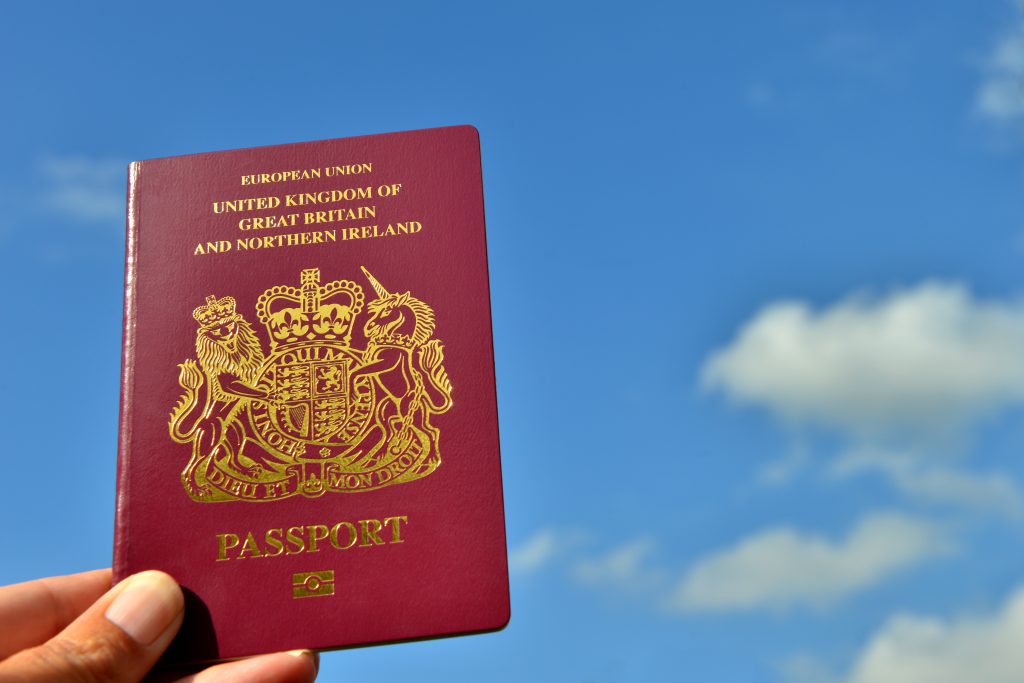
Post-Brexit, EU passport rules for UK citizens are stricter than before. Here’s what you need to check before travelling:
These rules apply to all EU countries in the Schengen Area, which includes popular destinations like France, Germany, Italy, and Spain. Always double-check expiry dates well in advance, especially for students who haven’t travelled before.
For most school trips, the answer is still no, UK citizens do not need a visa for short visits to the EU.
Instead, what’s coming soon is ETIAS: a new form of electronic authorisation. It’s not a visa, but it’s part of the new EU visa rules for visa-exempt travellers like those from the UK.
The first major change comes with the EU Entry/Exit System (EES), which will begin on 12 October 2025 and roll out across all external Schengen borders through April 2026.
EES replaces the old passport-stamping process with a digital register of entries and exits.
At the border, non-EU travellers (including UK citizens) will:
Have each entry and exit automatically recorded
No longer receive manual stamps in their passports
The system is designed to tighten border security and enforce the “90-day rule”—the regulation allowing non-EU visitors to stay up to 90 days in any 180-day period without a visa.
After EES is established, the European Travel Information and Authorisation System (ETIAS) will launch in the final quarter of 2026.
Once live, UK passport holders will need to apply for ETIAS before travelling to any Schengen country.
ETIAS isn’t a visa—it’s a pre-travel authorisation, similar to the US ESTA system. It screens travellers from visa-exempt countries (like the UK) before arrival to confirm they don’t pose a security or health risk.
Once ETIAS is approved, travellers can enter any Schengen country as before—no extra queues or forms at the airport.
Once the system launches, you’ll be able to apply online via the official EU ETIAS website.
Most approvals will come through in minutes, but occasionally, applications may take up to 30 days, especially if there are security alerts or past travel issues.
That’s why it’s smart to collect passport info early and encourage parents to apply at least 2–4 weeks before departure.
Applications will open on the official EU website: travel-europe.europa.eu/etias (avoid unofficial sites charging higher fees).
You’ll need:
Passport details
Travel information
A debit or credit card for payment (if applicable)
Once approved, ETIAS is digitally linked to the traveller’s passport—there’s nothing to print.
ETIAS isn’t launching overnight. There’ll be:
By late 2027, though, everyone aged 18–70 must have an approved ETIAS before boarding flights or ferries to Europe.
For most school groups, ETIAS won’t change much:
The only real change is admin. But with a bit of early planning, it won’t cause any delays.
There is nothing you need to do until ETIAS rolls out at the end of 2026. For EES starting in October, we recommend you allow a little extra time at your destination airport for the fingerprints and facial photo. You only have to do this once so the next time you travel, things will move quicker.
Not all airports will be rolling out EES at the same time, so you may not encounter it until early 2026.
When ETIAS does come into effect, you should:
We recommend sending families a simple one-pager covering these changes about ETIAS and the new EU passport rules, so no one is caught off guard.

To give you ideas for where an ETIAS-authorised trip could take your students, here are three of our most popular European programmes:
Ideal for GCSE and A-level Geography, this tour includes the Golden Circle (Þingvellir rift valley, Gullfoss waterfall, Strokkur geyser), a South Coast glacier hike at Sólheimajökull and a visit to Hellisheiði Geothermal Power Station. Pupils collect real data on coastal processes, river discharge and renewable energy, tying directly into fieldwork requirements.
> Learn more about geography school trips
Perfect for Key Stage 3 through A-level History, our Berlin tour traces the rise and fall of the Third Reich, examines the Holocaust Memorial and Topography of Terror, and explores the Berlin Wall Memorial and Checkpoint Charlie. A guided visit to Sachsenhausen concentration camp offers powerful context for human-rights discussions.
> Learn more about WW2 school trips
For Spanish-language learners and historians alike, this Andalusian tour combines immersive language scavenger hunts in Seville’s Barrio de Santa Cruz, a flamenco workshop, and a guided visit to Córdoba’s Mezquita-Cathedral. Pupils practise everyday Spanish in markets and cafés, study Islamic-and-Christian architecture firsthand, and leave with richer cultural understanding.
> Learn more about Seville school trips
Each of these tours takes place within the Schengen Area, so once everyone holds an approved ETIAS, you’re free to focus on lesson plans and logistics, confident that passports and authorisations are all in order.
While travellers must apply for ETIAS individually, Kipling Tours will support you with:
Yes, new EU travel rules are coming, but for schools, it’s mostly a one-time form and a low fee. With early planning, it’s just another tick on the checklist.
We’ll keep you up to date on when ETIAS goes live, and provide all the materials you need to prepare your group.

Kipling Tours help teachers plan unforgettable, stress-free trips that take learning beyond the classroom.

October 20, 2025 by Andy Broom
Take your students somewhere truly extraordinary with fully supported school trip along the road less travelled.

October 20, 2025 by Andy Broom
Residential visits for schools are packed with learning, adventure and lifelong memories. With the right planning and packing, your students will be ready to make the most of every moment.

September 11, 2025 by Andy Broom
Washington DC school trips offer a rare mix: world-changing political history, incredible museums, and immersive experiences that go way beyond the classroom.
Our tours are financially protected by our ATOL Licence and your payments are held in our trust account with the Travel Trust Association
If you are planning a tour with us, we can arrange an inspection trip so you are able to familiarise yourself with the destination and conduct any risk assessments your school may require.
Many tours travel with a full-time guide who will look after your group in the destination, and you will always be able to contact our UK office which is manned 24/7.